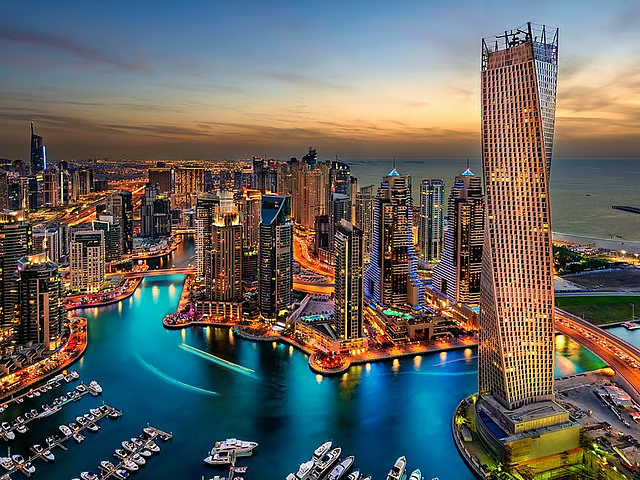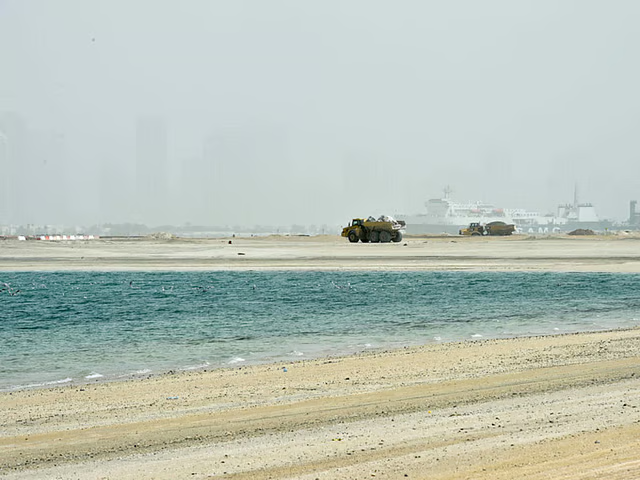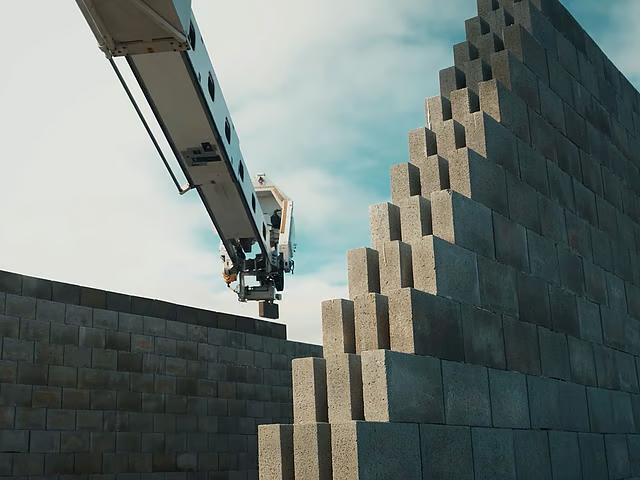

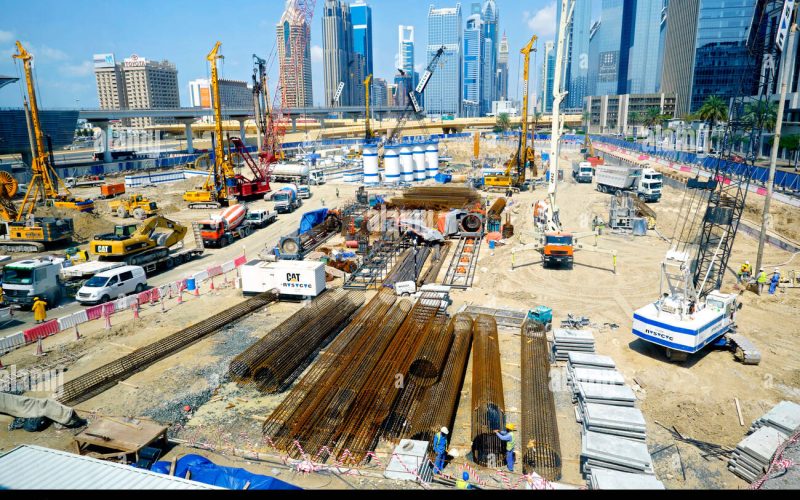
Off-plan property is getting serious attention in Dubai for a simple reason—people want maximum value, and developers are offering terms that make entry easier than ever. For many investors, buying off-plan is no longer a gamble; it’s a strategy. You’re entering the market before completion, so your upfront costs are lower, and you often benefit from favorable payment plans that stretch over time. That’s a major plus if you’re managing cash flow or want to diversify without locking in a huge amount.
In 2025, Dubai’s off-plan sector is booming because new developments are being built in growth zones. Places like Dubai South and Sobha Hartland are attracting interest thanks to airport links, metro extensions, and lifestyle upgrades. As these areas evolve, properties bought today are likely to appreciate by the time they’re handed over.
There’s also the pre-launch advantage. Some buyers get in early—before public release—and gain pricing that’s only available for a short window. These units often see 10–20% appreciation before they’re even complete. That’s not hype—it’s math, based on strong demand and forward-thinking urban planning.
Risks do exist. Delays, changing plans, or developer reputation are important factors. But Dubai’s Real Estate Regulatory Agency (RERA) ensures that projects are backed by escrow accounts and regulations that protect buyers from worst-case scenarios.
For those who want a property with lower entry costs, flexible installments, and future growth potential, off-plan property isn’t just smart—it’s one of the most strategic ways to invest in Dubai real estate today.
Dubai’s off-plan market is thriving in 2025, and here’s why more investors are choosing it over ready-built homes:
- Lower initial cost: Off-plan prices are usually 10–30% less than completed properties.
- Flexible payment plans: Developers offer installments over 2–5 years, often interest-free.
- Pre-launch gains: Early buyers often see up to 20% appreciation before handover.
- Location upside: Many projects are in emerging districts like Dubai South or Meydan, poised for growth.
Of course, it’s not without its risks:
- Project delays: Timelines may shift depending on approvals or construction pace.
- Developer reputation: Choose developers with a strong track record and escrow-backed funding.
- Market shifts: If demand slows, projected ROI may take longer to materialize.
But with tight regulations, transparent contracts, and urban expansion pushing new areas forward, buying off-plan in Dubai isn’t a leap of faith—it’s a calculated move for those thinking long-term.