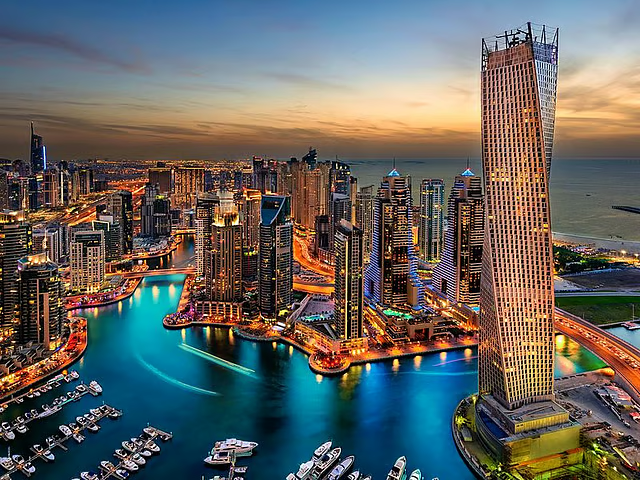


Dubai’s real estate market is open, active, and increasingly global. With no foreign ownership restrictions in designated freehold areas, buying property from abroad is not only possible—it’s surprisingly straightforward. But there are essential steps and insider tips that every investor should know before making their move.
Step 1: Choose the Right Property & Location
Not all Dubai communities are equal for international buyers. Some offer luxury and long-term growth, others focus on affordability and rental yield.
Top zones to consider:
- Business Bay – Capital growth with high rental demand
- Downtown Dubai – Prestigious, luxury-centric investments
- Dubai Marina – Ideal for holiday homes and Airbnb income
- JVC – Affordable entry with excellent yield
- Dubai South – Future-forward with off-plan potential
Whether you’re eyeing a branded residence or a budget-friendly studio, research current trends and upcoming launches in these key areas.
Step 2: Legal Requirements & Ownership Rules
Dubai allows 100% foreign ownership in designated freehold areas. The process is governed by clear laws and is investor-friendly.
Here’s what you’ll need:
- Valid passport (no residency required)
- Proof of funds or financing approval
- Signed Sale and Purchase Agreement (SPA)
- No need to be physically present—authorized representatives or power of attorney work just fine
Transactions are overseen by the Dubai Land Department (DLD) and registered officially under the buyer’s name.
 Step 3: Payment & Financing
There are two main routes:
- Cash Purchase – Most straightforward, often with discounts for full payment
- Mortgage Financing – Available to non-residents from select UAE banks, typically offering 50–70% Loan-to-Value (LTV) on property value
Tip: Some developers offer installment plans for off-plan units with no interest, allowing phased payments over 3–5 years.
Step 4: Go Digital—Remote Buying is the Norm
Foreign buyers can complete the full process online:
- Virtual tours of properties
- E-signature agreements
- Remote transfer of funds
- Title deed issuance electronically
Reputable brokers provide WhatsApp updates, video walkthroughs, and real-time market reports. Many platforms even support e-payment for deposits and reservation fees.
Step 5: Property Management & ROI Tracking
Once purchased, you can:
- Rent long-term to expats via agencies
- Use short-term rental platforms (Airbnb, Booking.com)
- Hire property management firms to handle leasing, maintenance, and tenant relations
Yields vary by area, but 2025 averages range between 6–9%, with some districts offering double-digit returns depending on property type and demand.
💡 Pro Tips for Remote Buyers
- Use a Trusted Broker – Choose RERA-licensed agents with a strong track record
- Check Developer Reputation – Research delivery history for off-plan projects
- Review Contracts Carefully – Dubai’s SPA is binding; review terms for handover, penalties, and guarantees
- Currency Exchange Matters – Work with forex experts to maximize transfer value
- Stay Ahead of Fees – Budget for DLD charges (approx. 4% of property value), agency fees, and maintenance
Final Word: Buying from Abroad Is Empowering
Dubai’s property landscape in 2025 is built for foreign buyers—streamlined, transparent, and fast-moving. Whether you’re a high-net-worth investor or buying your first international unit, the keys to success lie in choosing the right area, working with reliable partners, and staying financially aware throughout the journey.
You don’t need to be in Dubai to own a slice of its skyline. You just need the right guide.