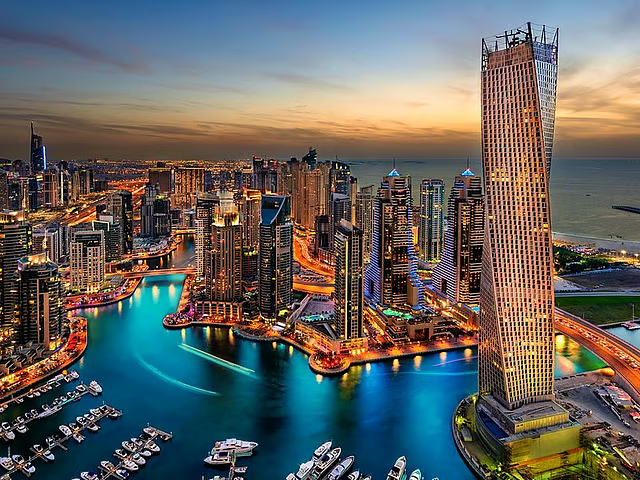

 With the emirate’s property transactions reaching an impressive AED 761 billion in 2025 and continuing their upward trajectory with a 25% year-on-year increase in the first half of 2025, the market shows no signs of slowing down .
This growth is not accidental but rather the result of strategic visioning and meticulous urban planning encapsulated in initiatives like Dubai Vision 2030 and the Dubai Urban Master Plan 2040.
These comprehensive roadmaps aim to transform Dubai into a global leader in innovation, sustainability, and economic diversification, creating an environment where real estate investments can thrive through the next decade and beyond.
For savvy investors, understanding which areas offer the greatest appreciation potential through 2030 is crucial for maximizing returns.
While traditional luxury destinations like Palm Jumeirah and Downtown Dubai continue to perform well, emerging corridors and strategically planned communities present exciting opportunities for those willing to adopt a forward-looking perspective.
This analysis examines the areas positioned for significant growth based on infrastructure developments, government initiatives, and changing demographic trends that are reshaping Dubai’s property landscape through the coming decade.
1 Dubai South: The Aerotropolis Revolution
1.1 Strategic Positioning and Growth Drivers
Dubai South represents one of the most promising investment opportunities in Dubai’s real estate landscape, primarily driven by its position as the home of the Al Maktoum International Airport expansion project.
This massive infrastructure undertaking, with a USD 35 billion investment, will eventually handle 260 million passengers annually, creating an entire aerotropolis ecosystem around it.
The area is designed to support aviation, logistics, residential, and commercial activity on a scale rarely seen in the region, making it a magnet for professionals and families seeking convenience and affordability.
The appreciation potential of Dubai South stems from its master-planned community approach, which integrates residential, commercial, and logistics facilities into a cohesive environment.
As the area matures, demand for housing is expected to surge significantly, particularly from aviation professionals, logistics experts, and support service employees who will work within the aerospace ecosystem.
Current property prices in Dubai South remain relatively affordable compared to established areas, offering investors an attractive entry point with substantial upside potential through 2030 as infrastructure development accelerates and population growth materializes.
1.2 Investment Considerations
-
Target Property Types: Focus on residential apartments and townhouses catering to mid-income professionals, as well as logistics and commercial properties serving the aviation ecosystem.
-
Appreciation Timeline: Expect significant value increases between 2026-2030 as airport operations expand and supporting infrastructure becomes fully operational.
-
Rental Demand: Strong rental yield potential due to incoming workforce requiring convenient housing options near employment centers.
-
Risk Factors: Monitor development timelines for airport expansion and supporting infrastructure to ensure alignment with investment horizons.
2 Palm Jebel Ali: The Next Luxury Frontier
2.1 The Comeback Story
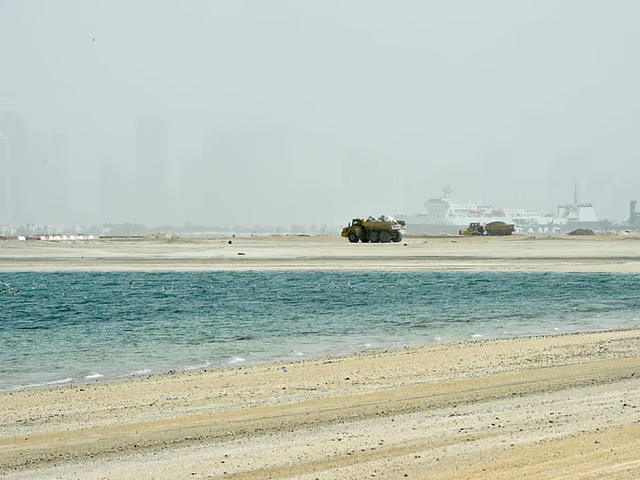
Palm Jebel Ali represents Dubai’s ambitious continuation of its iconic palm-shaped developments, poised to eclipse its predecessor, Palm Jumeirah, in both size and luxury offerings.
After a period of postponement, the revival of this mega-project is now “full steam ahead,” with plans for luxury beachfront villas, futuristic resorts, and high-end retail spaces that will create a fresh playground for high-net-worth individuals.
This development is particularly significant as available land in prime waterfront locations becomes increasingly scarce in Dubai, ensuring its long-term valuation potential.
The appreciation potential of Palm Jebel Ali stems from its exclusive positioning within Dubai’s luxury real estate market and the limited availability of premium waterfront properties.
As Palm Jumeirah reaches build-out and available properties become increasingly rare and expensive, Palm Jebel Ali will naturally become the next destination for elite buyers seeking luxury beachfront living.
Early investors in the project will benefit from pre-development pricing and the gradual appreciation as infrastructure is completed and the community becomes established as Dubai’s newest luxury address.
2.2 Investment Considerations
-
Target Property Types: Luxury beachfront villas and high-end apartments with exclusive amenities and direct water access.
-
Appreciation Timeline: Staged appreciation expected with project milestones between 2025-2030, with significant value jumps upon completion of key infrastructure.
-
Rental Demand: Strong premium rental market from discretionary travelers and corporate relocation segments.
-
Risk Factors: Project delivery timelines and potential market saturation in luxury segment if economic conditions shift.
| Area | Current Focus | 2030 Projection | Key Appreciation Drivers | Potential Risk Factors |
|---|---|---|---|---|
| Dubai South | Affordable/mid-market | Integrated aerotropolis | Airport expansion, population growth | Development timeline delays |
| Palm Jebel Ali | Luxury development | Premium waterfront destination | Scarcity of waterfront land, luxury demand | Economic sensitivity, project delays |
| Dubai Creek Harbour | Mixed-use development | New central business district | Cultural district development, infrastructure | Market saturation, competition |
| Expo City | Technology/sustainability | Innovation hub | Tech company influx, sustainable living | Technology sector volatility |
| Dubai Silicon Oasis | Technology hub | Integrated smart city | Digital transformation, talent attraction | Global tech sector competition |
3 Dubai Creek Harbour: The New Central Business District
3.1 Strategic Development and Positioning
Dubai Creek Harbour is rapidly emerging as what many are calling the “new Downtown Dubai,” offering a perfect blend of culture, commerce, and community.
This massive mixed-use development promises stunning views of the Dubai skyline while incorporating proximity to the Ras Al Khor Wildlife Sanctuary, creating a unique combination of urban living and natural preservation.
The area features diverse residential offerings ranging from sleek apartments to elegant waterfront townhouses, attracting a wide demographic of residents and investors.
The appreciation potential of Dubai Creek Harbour is tied to its strategic positioning as a future central business district and cultural hub.
As infrastructure and connectivity improvements continue, property prices in this area are expected to trend upward significantly, reshaping buyer priorities and preferences.
The development’s emphasis on sustainable design and quality of life amenities aligns perfectly with evolving resident preferences, particularly among younger professionals and families seeking integrated living environments that offer both work and lifestyle opportunities within walkable distances.
3.2 Investment Considerations
-
Target Property Types: Waterfront apartments and townhouses with cultural district proximity, plus commercial properties catering to creative industries.
-
Appreciation Timeline: Steady appreciation through 2025-2030 as cultural facilities open and commercial tenants establish operations.
-
Rental Demand: Strong demand from professionals working in the cultural and creative sectors, as well as families seeking integrated lifestyle environments.
-
Risk Factors: Pace of cultural district development and potential competition from other emerging business districts.
4 Expo City: The Legacy of Innovation
4.1 Transformation into a Sustainable Community
Expo City represents a unique investment opportunity as one of Dubai’s most successful legacy projects, evolving from the World Expo site into a long-term community with residential, commercial, and educational facilities.
Unlike many expo sites that struggle with post-event relevance, Dubai’s Expo City is transitioning into a smart, sustainable district that serves as a magnet for tech companies, startups, and families who value innovation-focused living environments.
This successful repurposing creates strong fundamentals for property appreciation through 2030.
The appreciation potential of Expo City is driven by its sustainability credentials and strategic location within Dubai’s southwest corridor. As neighboring districts experience increased demand spillover, property values in and around Expo City are likely to benefit from altered value dynamics.
The area’s focus on smart city technologies and sustainable living aligns perfectly with global trends toward environmentally conscious development, making it particularly attractive to multinational corporations seeking ESG-compliant facilities and employees who prioritize sustainable living options.
4.2 Investment Considerations
-
Target Property Types: Sustainable residential properties, tech-enabled office spaces, and mixed-use properties benefiting from community integration.
-
Appreciation Timeline: Gradual appreciation through 2025-2028, accelerating as corporate tenancy increases and community facilities mature.
-
Rental Demand: Strong demand from expatriate professionals working for tech companies and organizations based in the innovation district.
-
Risk Factors: Pace of corporate adoption and potential competition from other innovation districts like Dubai Silicon Oasis.
5 Dubai Silicon Oasis: The Technology Corridor
5.1 Dubai’s Answer to Silicon Valley
Dubai Silicon Oasis represents a strategic investment opportunity tied to Dubai’s broader economic diversification efforts and focus on technology-driven growth.
As part of Dubai Vision 2030’s emphasis on creating specialized economic clusters, Dubai Silicon Oasis has evolved into a thriving technology hub that attracts top global talent, fosters startups, and creates a thriving ecosystem for research and development.
This concentration of technology activity creates sustained demand for properties in the surrounding area, particularly from highly compensated professionals seeking convenient access to workplace facilities.
The appreciation potential of Dubai Silicon Oasis is underpinned by Dubai’s economic diversification strategy and the growing importance of technology sectors to the emirate’s future.
As Dubai continues to implement its Dubai Metaverse Strategy and artificial intelligence initiatives, the demand for technology talent and associated facilities is expected to grow significantly.
Properties within Dubai Silicon Oasis and surrounding residential areas benefit from this trend, particularly those offering smart home technologies and high-speed connectivity that appeal to technology professionals and digital nomads attracted by Dubai’s favorable tax policies and quality of life offerings.Â
5.2 Investment Considerations
-
Target Property Types: Technology-enabled residential properties, flexible office spaces, and co-working facilities catering to startups and digital nomads.
-
Appreciation Timeline: Steady appreciation through 2025-2030 aligned with technology sector growth and talent acquisition initiatives.
-
Rental Demand: Strong demand from technology professionals, digital nomads, and supporting service sectors.
-
Risk Factors: Global technology sector volatility and competition from other emerging technology hubs.
Dubai’s real estate market offers exceptional appreciation potential through 2030 for investors who strategically position themselves in areas aligned with the emirate’s growth trajectory.
The transformation of Dubai’s property map through mega-projects and infrastructure developments creates numerous opportunities for those willing to look beyond traditional investment hotspots and identify emerging corridors of opportunity.