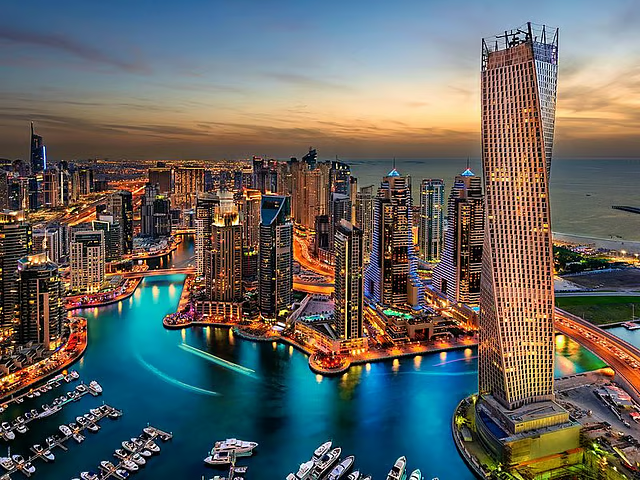

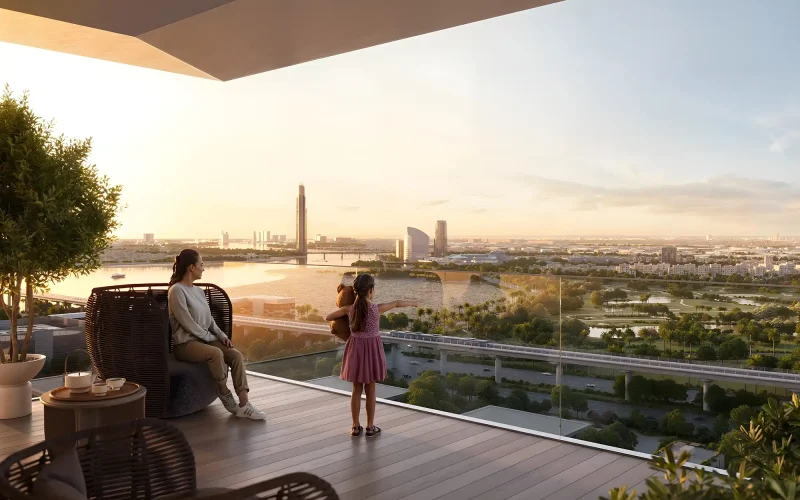
The Dubai real estate market is once again making headlines, with the secondary property market surging by 46% in the first half of 2025, driven by skyrocketing demand for villas and luxury homes. Despite new project launches, supply is struggling to keep up, creating a highly competitive market where buyers are willing to pay premium prices for limited inventory.
Key Market Trends in 2025
1. Unprecedented Demand for Villas
- Villa transactions dominate, accounting for 62% of total secondary market sales (Dubai Land Department, Q2 2025).
- Palm Jumeirah, Emirates Hills, and Mohammed Bin Rashid City (MBR City) remain the most sought-after locations, with prices increasing 18-25% year-on-year.
- Limited supply has pushed average villa prices to AED 4.2M ($1.14M), up from AED 3.4M ($925K) in 2024 (Knight Frank, 2025 Report).
2. Luxury Segment Leads Growth
- Ultra-luxury properties (AED 20M+) saw a 33% increase in sales compared to 2024.
- Foreign investors, particularly from Europe, China, and India, are driving demand, taking advantage of Dubai’s tax-free returns, golden visas, and stable market conditions.
3. Off-Plan vs. Secondary Market Shift
- While off-plan sales remain strong, secondary market transactions are growing faster, as buyers seek ready-to-move-in homes amid rising rental costs.
- Rental yields for villas remain attractive at 5.5-7%, incentivizing long-term investors.
Why Is Demand Outpacing Supply?
1. Population Growth & Economic Stability
- Dubai’s population has surpassed 4 million, with an influx of high-net-worth individuals (HNWIs) and expatriates.
- The UAE’s pro-business policies, 10-year golden visas, and thriving economy continue to attract global investors.
2. Limited Land for New Villa Developments
- Most prime villa communities are fully developed, with little room for expansion.
- New villa projects (e.g., Dubai Hills, Tilal Al Ghaf) are selling out within weeks of launch, further tightening supply.
3. Shift in Buyer Preferences
- Post-pandemic, demand for spacious homes, private gardens, and home offices remains strong.
- End-users (families, long-term residents) now dominate the market, unlike the pre-2020 investor-heavy trends.
What’s Next for Dubai’s Real Estate Market?
- Prices expected to rise another 10-15% by year-end, especially in prime villa communities.
- More redevelopment projects (e.g., older villas being demolished for luxury rebuilds) could ease supply constraints.
- Rentals will stay high, pushing more tenants toward buying.
Final Thoughts: A Seller’s Market with Long-Term Potential
Dubai’s secondary property boom is not a bubble but a reflection of sustained demand from end-users and investors. With limited villa supply and increasing demand, prices are likely to keep climbing, making now an ideal time for sellers and a competitive market for buyers.
Will the trend continue into 2026? Only time will tell, but one thing is certain—Dubai’s real estate market remains one of the world’s most dynamic.
Are you looking to buy or sell in Dubai’s booming villa market? Let us know in the comments!