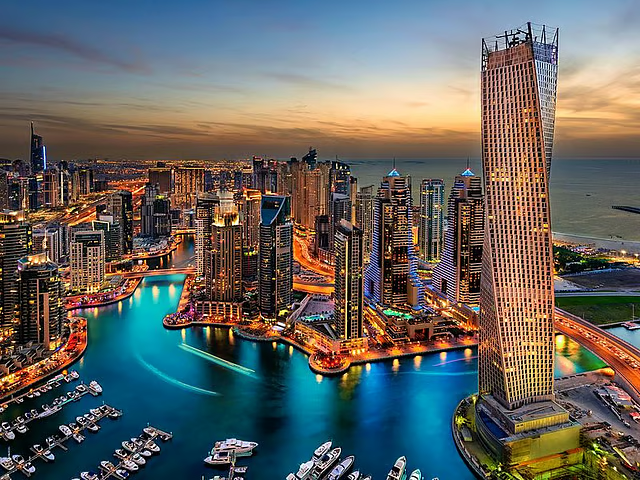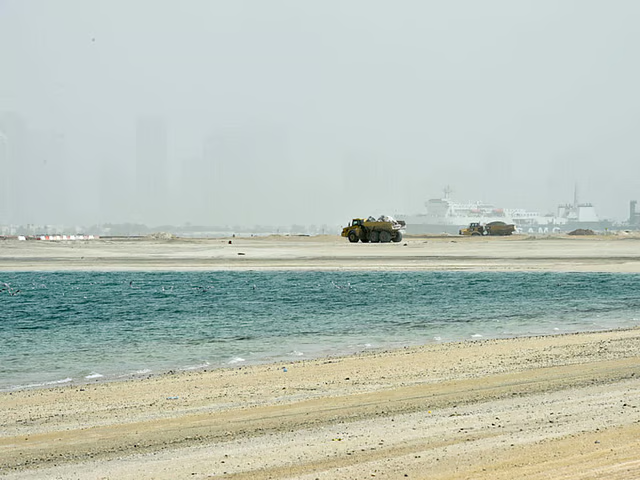

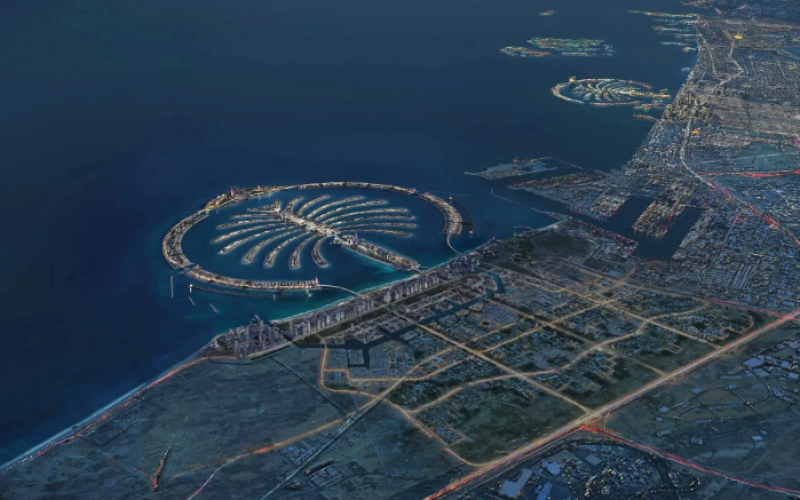
For years, Dubai’s skyline has been shaped by audacious visions—the Burj Khalifa, the Palm Jumeirah, the World Islands. But now, a new megaproject is quietly positioning itself as the crown jewel of the emirate’s next golden era: Palm Jebel Ali.
You might remember it as the “forgotten sister” of Palm Jumeirah, a project shelved after the 2008 financial crisis. But today, with Dubai’s property market breaking records and global ultra-high-net-worth investors flocking to the city, Palm Jebel Ali isn’t just back—it’s being reimagined as the most exclusive waterfront community in the world.
So why is this the moment to pay attention? Let’s dive in.
1. The Comeback Story No One Saw Coming
When Nakheel announced the revival of Palm Jebel Ali in 2023, skeptics called it a publicity stunt. But behind the scenes, something remarkable was happening:
- Demand for ultra-luxury waterfront homes had outstripped supply. Palm Jumeirah, once the pinnacle of exclusivity, was nearly sold out.
- Dubai’s population was booming, with 300,000 new residents in just two years—many of them high-net-worth individuals seeking privacy and prestige.
- The government’s 2040 Urban Master Plan earmarked Jebel Ali as a future hub for innovation and luxury living.
This wasn’t just a relaunch—it was a strategic move to capture the next wave of elite buyers.
2. A Design That Fixes Palm Jumeirah’s Mistakes
Palm Jumeirah was revolutionary, but it had flaws:
- Traffic bottlenecks on the trunk
- Limited beachfront for most villas
- Crowded shores in peak season
Palm Jebel Ali learns from these lessons. Early renders show:
- Wider roads and smart traffic systems to prevent congestion
- Every villa with direct beach access—no more “second-row” properties
- 50% more green space than Palm Jumeirah, with mangrove parks and lagoons
This isn’t just another palm-shaped island—it’s Palm 2.0.
3. The Hidden Play for Crypto Wealth
Here’s what most analysts miss: Palm Jebel Ali isn’t just targeting traditional millionaires.
With Dubai positioning itself as the global capital of crypto, Nakheel has quietly begun accepting cryptocurrency for select off-plan purchases. Why?
- 35% of Dubai’s luxury buyers in 2024 were crypto entrepreneurs
- Many hold wealth in stablecoins, not banks—and want tax-efficient ways to park it in real estate
- Palm Jebel Ali’s “digital nomad villas” come with built-in crypto payment gateways
This could make it the world’s first blockchain-friendly mega-development.
4. The Infrastructure Game-Changer
While Palm Jumeirah feels “locked in” by its early-2000s infrastructure, Jebel Ali benefits from:
- Direct access to the new Al Maktoum International Airport (future home of Emirates)
- Proximity to Expo City’s tech hub
- A dedicated water taxi line to Marina in 15 minutes
But the real secret weapon? Underground smart utilities—no more road-digging for repairs.
5. The Exclusivity Factor
Palm Jumeirah has 4,000 residences. Palm Jebel Ali? Just 1,500.
With stricter ownership vetting (rumors of a minimum net worth requirement) and no hotel zones, this isn’t just another gated community—it’s Dubai’s answer to Billionaires’ Row.
The Bottom Line
Palm Jebel Ali represents something rare: a second chance to get in early on a generational project.
The window won’t stay open long. When Palm Jumeirah launched in 2001, skeptics called it a sandcastle fantasy. Today, its villas sell for AED 100M+.
History doesn’t repeat, but it often rhymes.
Want to explore pre-launch opportunities? Let’s talk.
(Thoughts? Questions? Drop them below—I read every reply.)